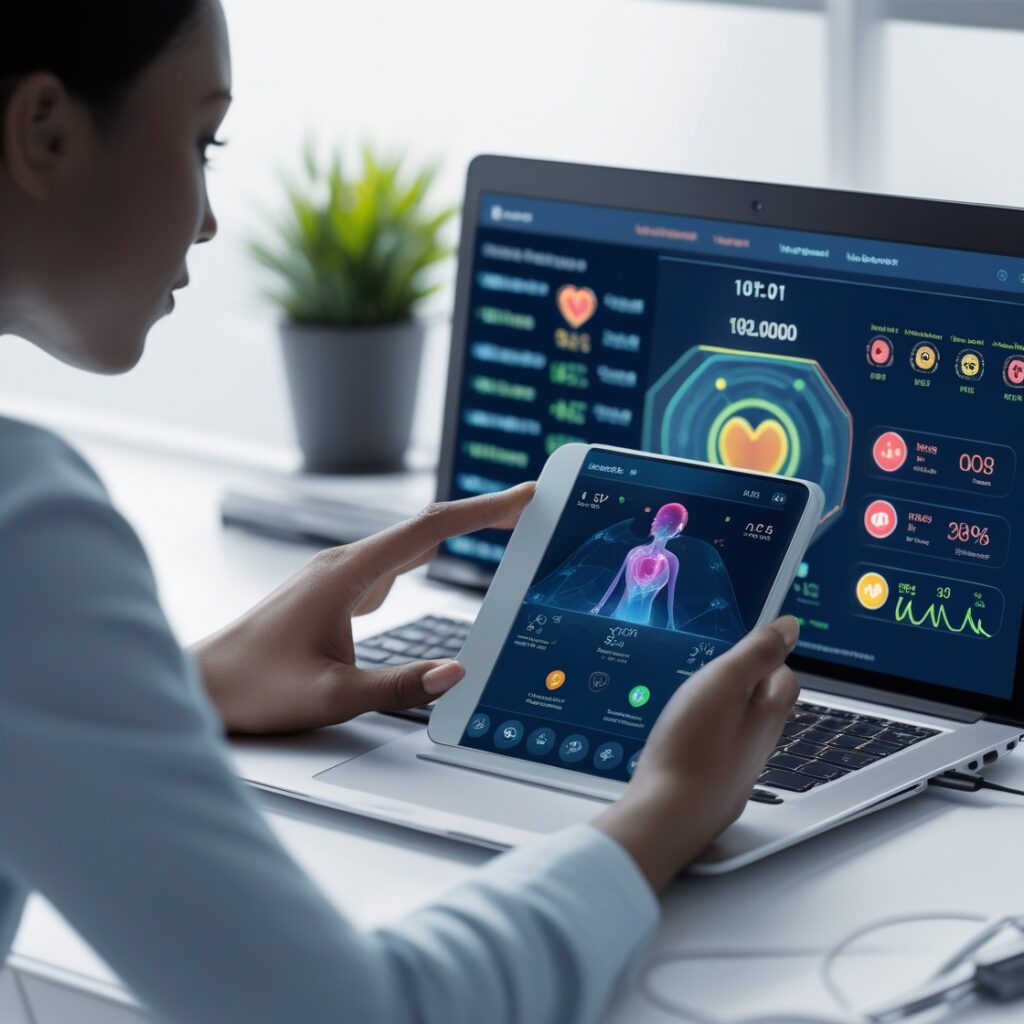
Briah.ai’s Health Data Platform is an AI-powered, video-based, 100% software solution that enables anyone to measure a wide range of health and wellness indicators using a smartphone, tablet, or laptop camera.
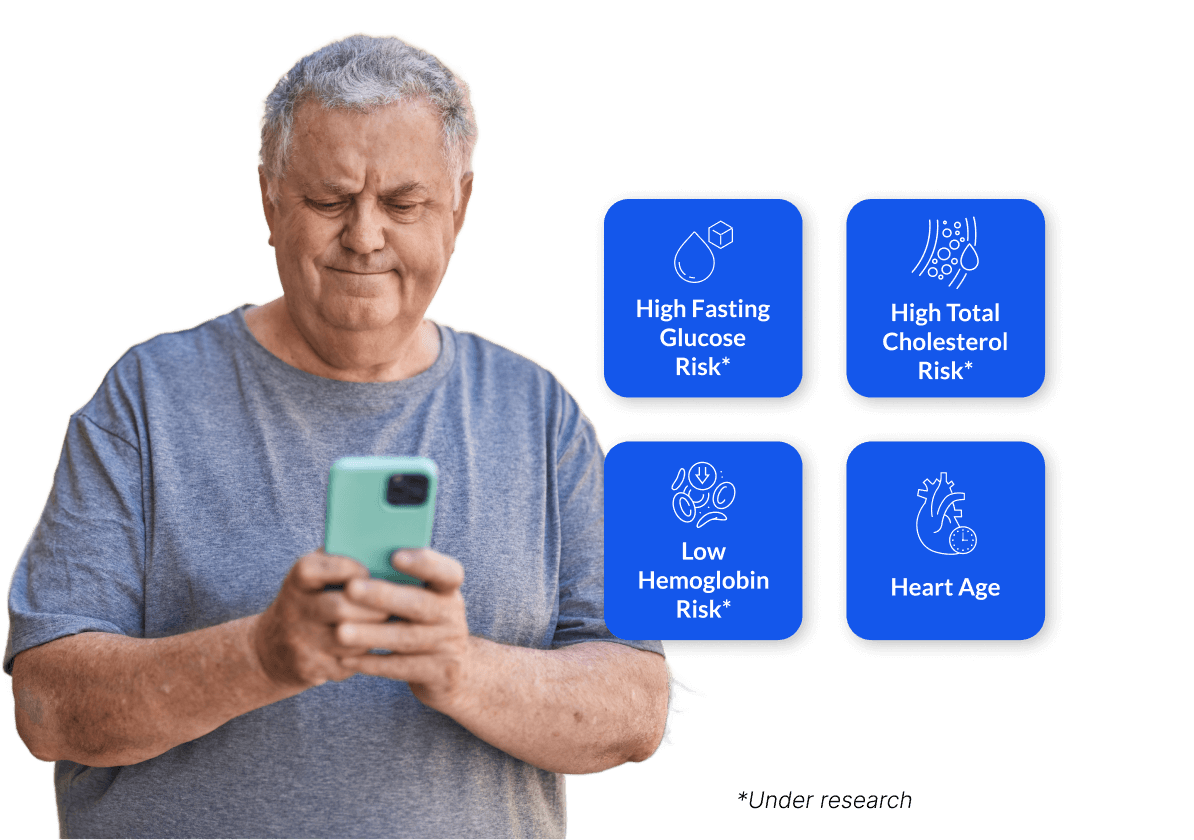
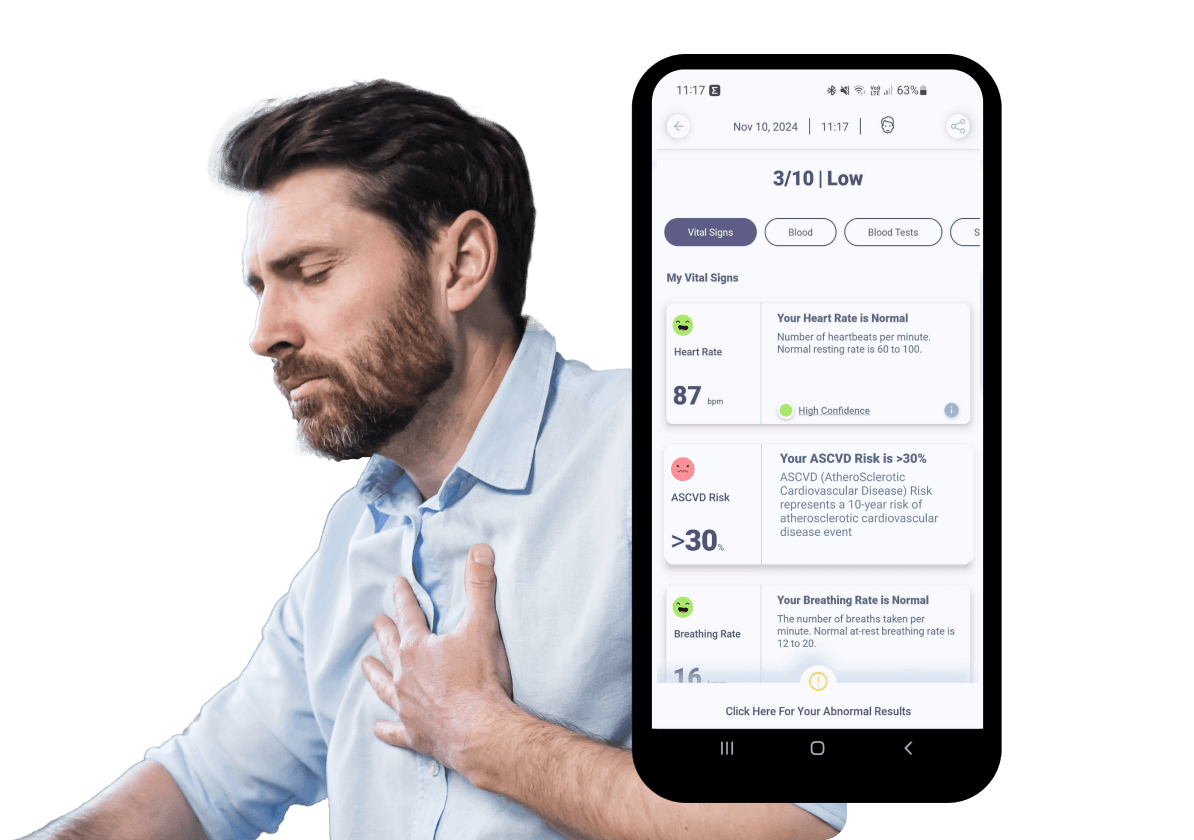
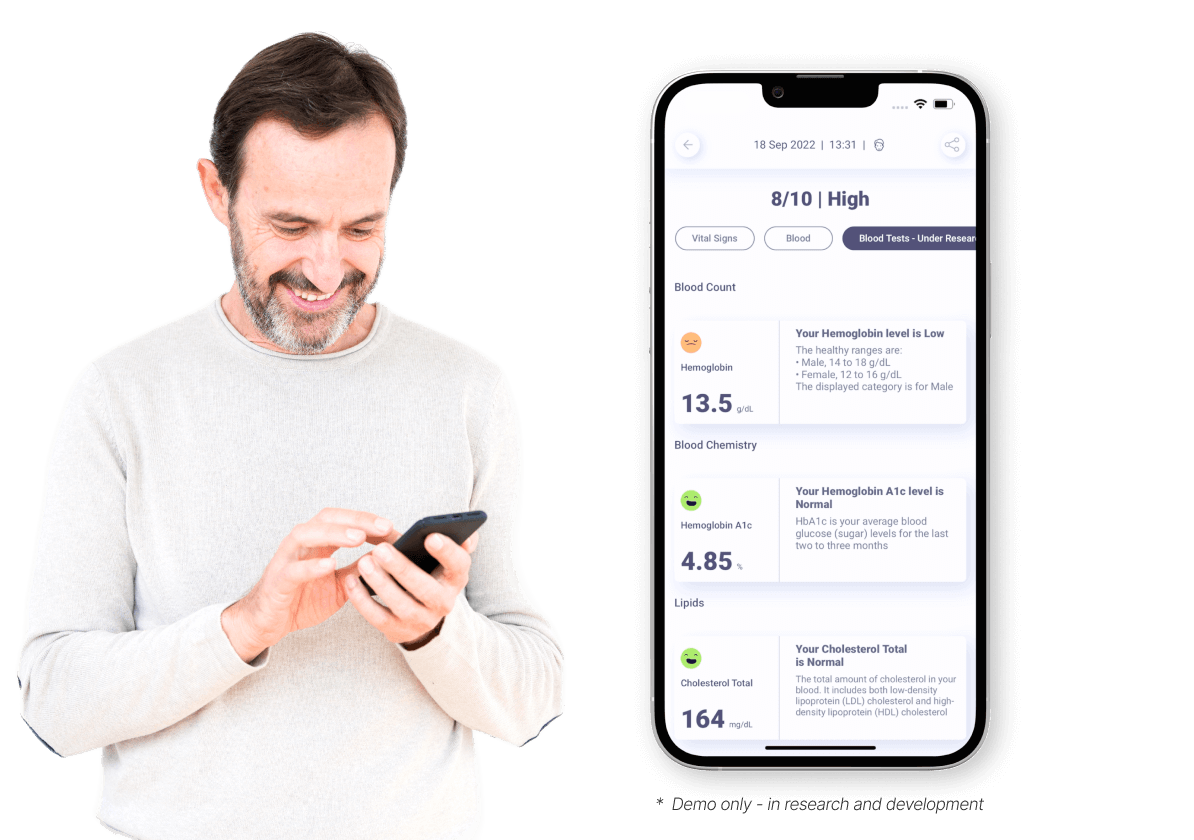
Indicators Include: Blood pressure, heart rate, heart rate variability, oxygen saturation, breathing rate, sympathetic stress, parasympathetic activity, pulse-respiration quotient (PRQ), Hemoglobin*, Hemoglobin A1c*, ASCVD Risk, High Blood Pressure Risk, Low Hemoglobin Risk*, High HbA1c Risk*, High Fasting Glucose Risk*, High Total Cholesterol Risk*, Tuberculosis Risk*, and Heart Age.
Trusted globally for providing accurate, real-time health insights and empowering individuals to take control of their well-being with cutting-edge AI technology.
Briah.ai offers businesses a software-only Health Data Platform that enables spot and continuous health and wellness checks anytime, anywhere, utilizing cameras on smartphones, tablets, laptops, as well as sensors.
How does Briah.ai’s technology work?
Briah.ai uses a unique mix of advanced AI and deep learning algorithms to enable spot checks from camera-based devices like smartphones, and continuous checks from PPG sensors. For spot checks, Briah.ai extracts and analyzes an rPPG signal taken from exposed skin on the surface of a human face. For continuous checks, Briah.ai analyzes a PPG signal delivered from the sensor via Bluetooth to calculate measurement results. Delivering consistent results in under one minute, Briah.ai’s technology is agnostic to skin color and gender. Briah.ai’s five stress levels are calculated based on the Baevsky Stress Index.
How should users perform health checks with Briah.ai’s technology?
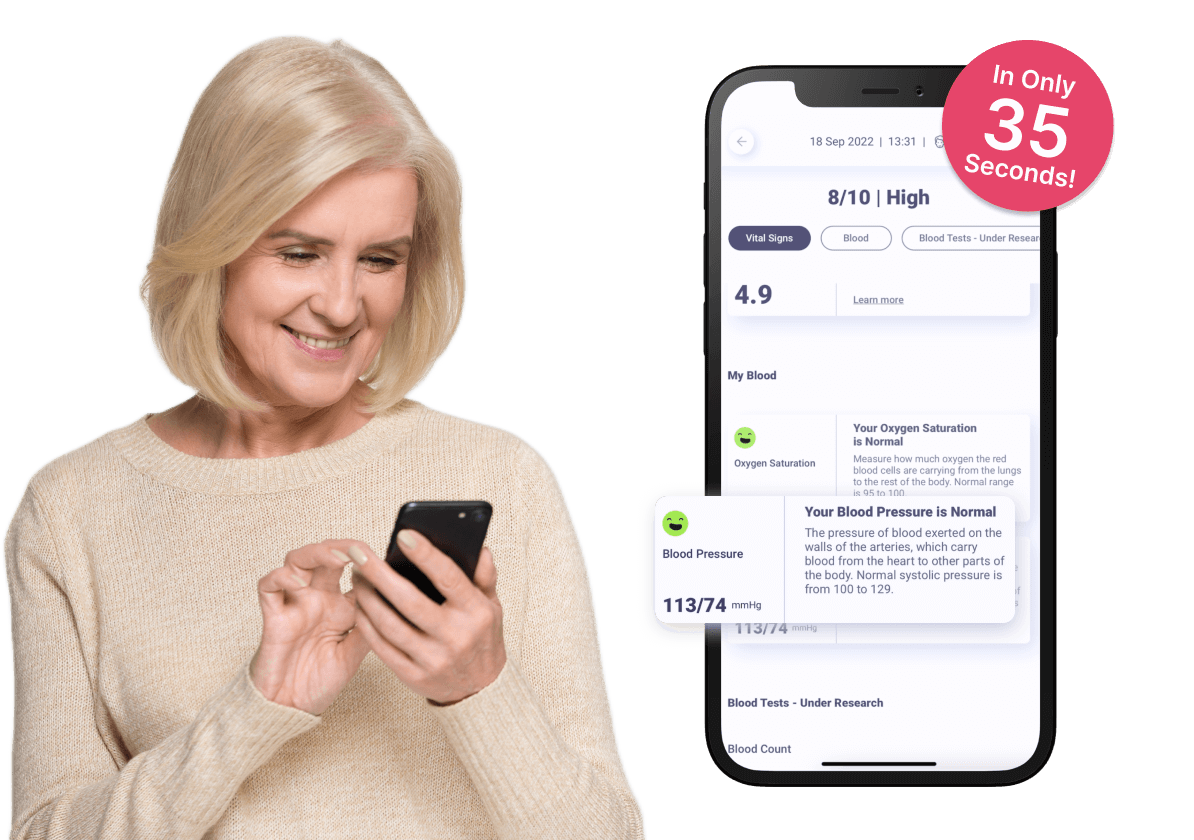
Taking a health check with Briah.ai’s technology is effortless, even for those without technical expertise. It’s as simple as taking a 35-60 second video selfie! For optimal results, users should remain still, avoid talking, and ensure they are in a well-lit environment. Briah.ai’s technology is designed to measure health indicators while the user is at rest.
How does Briah.ai’s contactless blood pressure monitoring technology work?
Briah.ai’s contactless blood pressure monitoring technology extracts blood pressure using an optical technique called remote photoplethysmography (rPPG), which analyzes light that reflects off exposed skin on a human face. The technology uses advanced AI and deep learning algorithms, including computer vision technology and signal processing.
How does Briah.ai’s fall detection work?
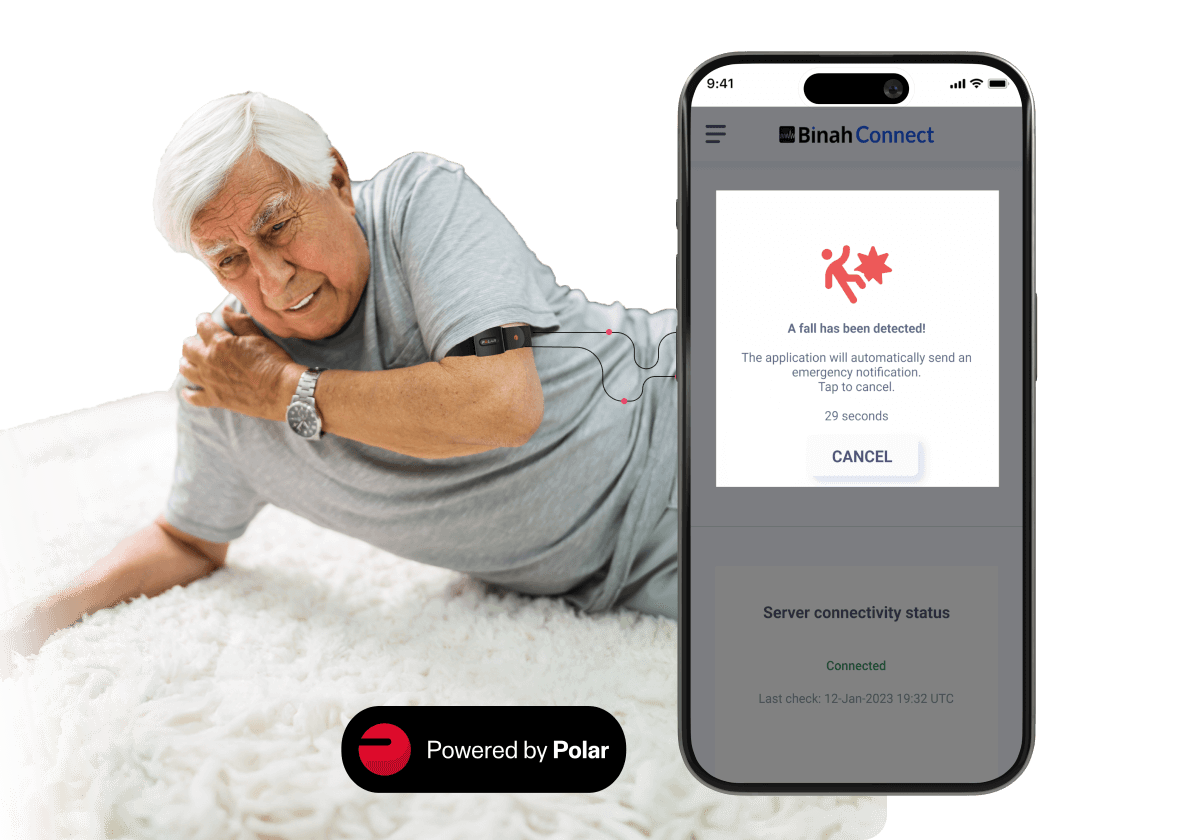
Briah.ai’s fall detection technology uses the gyroscope and accelerometer of a Polar Verity Sense™ optical heart rate sensor, worn by the user, to detect falls. In the event of a fall, the system can generate a timed notification prompting the user to respond. If unanswered, the system triggers two consecutive vital signs checks while an alert with the location of the event can be sent to designated contacts. These settings are customizable to your organization’s needs.
How is Briah.ai delivered?
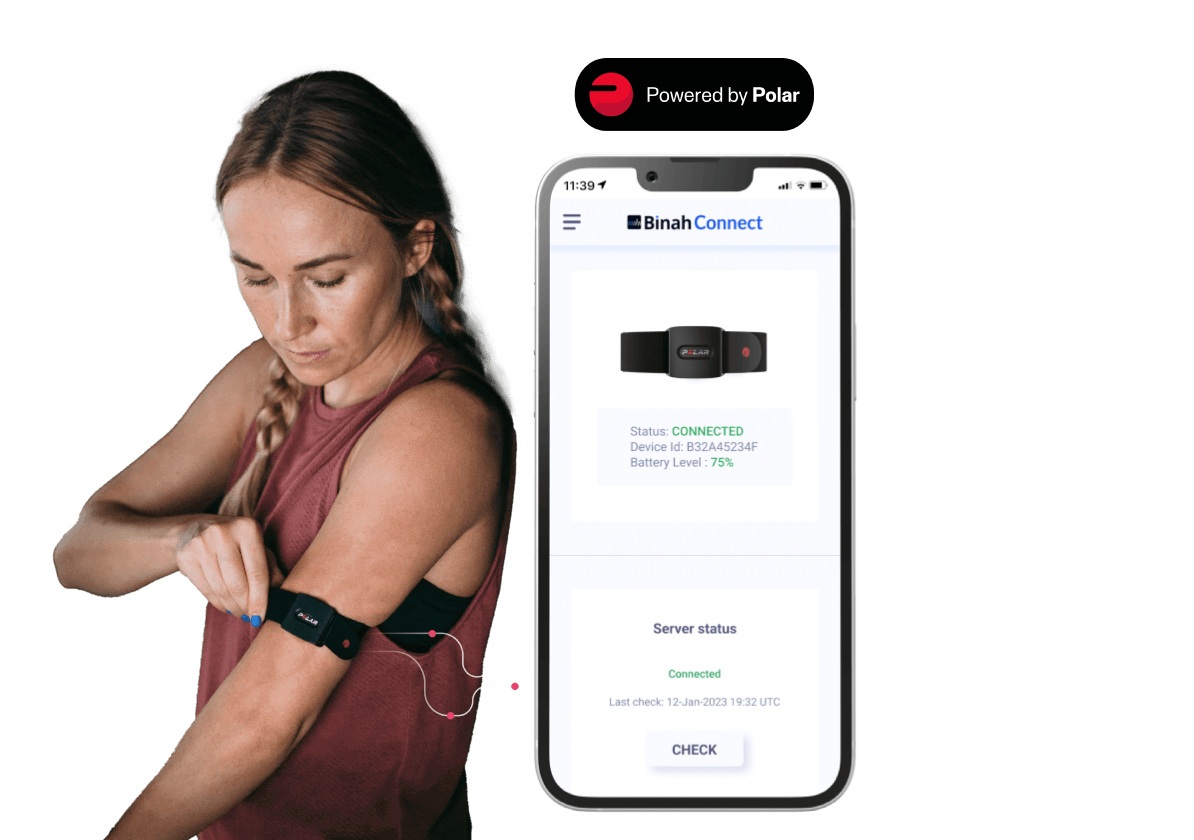
Briah.ai‘s video-based spot-check technology is delivered as a software development kit (SDK). Briah.ai‘s continuous check technology is delivered as an SDK or a ready-to-use app, Briah Connect. Learn more about our SDK here.
Does Briah.ai sell directly to consumers?
No. Briah.ai’s technology is delivered to businesses in various industries in need of end-user provided health data, including healthcare, pharma, insurance, wellness and many more.
How is Briah.ai revolutionizing health and wellness monitoring?
Offering extraction of an extensive range of health parameters and support for various devices and operating systems, Binah.ai reduces the need for dedicated hardware used for remote health and wellness monitoring, enabling more users to easily access these tools and making user-provided health data more accessible to businesses at lower costs.